Thursday, January 22, 2026

Comprehensive Pest Control in Greater Houston – Year-Round Strategies, Common Threats, and IPM Best Practices

Houston’s humidity (average 70–90%) and warmth fuel pests: ants (fire/carpenter), cockroaches (American/German), termites (subterranean top threat), mosquitoes, spiders, etc. Orkin/Terminix 2025 data shows Texas high in commercial/residential calls.

Key Pests and Biology (Mallis Handbook Insights):

  • Ants — 250+ Texas species; fire ants sting, carpenter nest in wood. Colonies thousands; forage trails.


  • Cockroaches — American (large, outdoors) vs. German (small, indoors/fast breeders). Survive weeks without food.


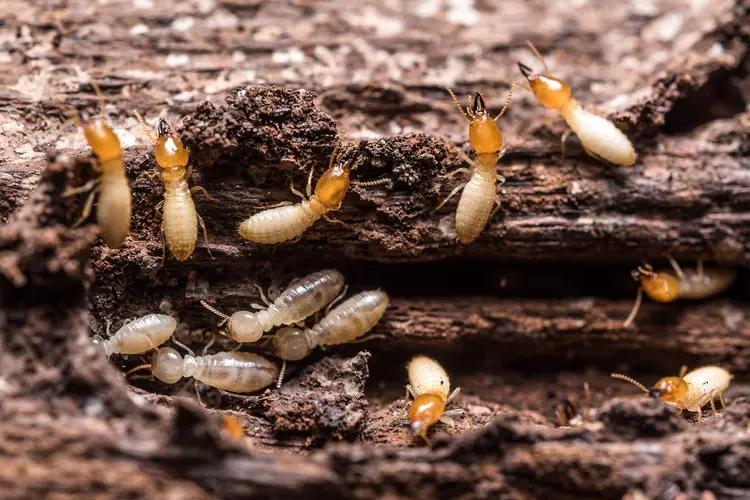
  • Termites — Subterranean build mud tubes; consume wood silently (billions in damage yearly).

    A greener, more effective way to kill termites | Choe Laboratory


  • Mosquitoes — Breed in standing water; transmit West Nile (Houston cases reported).


  • Others — Spiders (brown recluse rare but dangerous), stinging insects.

TDA/SPCS and IPM Principles: TDA mandates licensed pros for structural pests; IPM: monitor, identify, exclude/sanitize, treat minimally. Reduces pesticide use.

Detailed Year-Round Prevention and Management:

  • Spring (Swarming/Expansion) — Termite inspections (I’m certified); seal wood-soil contact; eliminate standing water for mosquitoes.

  • Summer (Peak Activity) — Clean spills for ants/roaches; fans/screens for mosquitoes; trim vegetation.

  • Fall/Winter — Seal entry points; monitor indoors for roaches/mice.

  • General IPM Steps — Inspect regularly; exclude (caulk/seal); sanitize (no food/water); targeted treatments (baits/gels per Mallis).

  • Professional Value — APE custom plans prevent recurrence—eco-friendly where possible, with guarantees.

Proactive control saves thousands. Contact APE for a free evaluation.

Free Comprehensive Pest Evaluation – Greater Houston

832-310-5187


Bed Bugs in Houston – 2025 Surge, Detailed Biology, Signs, and Effective IPM Control

Bed bugs (Cimex lectularius) have re-emerged strongly post-COVID, with Houston appearing in top-10 spots on Terminix’s 2025 Top 50 Bed Bug Cities (e.g., 7th in some rankings) and notable in Orkin data (surges tied to travel/housing density). Terminix reported consistent increases since the pandemic, with Texas/Florida/California dominating due to climate and multi-family housing.

Bedbugs - San Mateo County Mosquito and Vector Control District

Biology and Life Cycle (Mallis Handbook Chapter on Bed Bugs): These flat, oval, reddish-brown insects (4–5mm adults) feed solely on blood, hiding in seams/crevices. Females lay 200–500 eggs (pearly white, 1mm), hatching in 6–10 days at room temp. Nymphs molt 5 times, needing blood each stage; full cycle 4–5 weeks to adult. Mallis notes resistance to some pesticides is common—heat tolerance up to 113°F short-term.

Signs and Health Risks: Bites in lines/clusters cause itchy welts (allergic reactions possible). Look for blood spots, dark fecal stains, shed skins, musty odor. They don’t transmit diseases like mosquitoes but cause anxiety, insomnia, secondary infections from scratching.

TDA/SPCS Guidelines: Bed bug control requires licensed applicators; IPM mandatory—non-chemical first (vacuuming, encasements), then targeted treatments. Avoid foggers/bombs (spread bugs).

Comprehensive Prevention and Control Strategies:

  • Travel Precautions — Inspect hotel rooms (headboard seams, mattress); keep luggage off floors; launder clothes hot/dry immediately.

  • Home Prevention — Use mattress/box spring encasements; reduce clutter; seal cracks; vacuum regularly (dispose bag outside).

  • Detection — Use interceptors under bed legs; monitor for live bugs/eggs.

  • Treatment (IPM Approach) — Professional heat (120°F+ kills all stages, per Mallis) or integrated chemical/steam. Multiple visits needed (eggs hatch later). APE uses safe, discreet methods with follow-ups.

  • Multi-Unit Considerations — In apartments, treat adjacent units to prevent spread.

Early action prevents escalation. As a certified expert, I at APE prioritize thorough, value-driven eradication.

Discreet Bed Bug Inspection – Houston & Greater Area

8323105187


Rodent Challenges in Houston-2025-2026 Trends and Proven Prevention Tips

Houston’s explosive growth, combined with our humid, warm climate, has made rodents a persistent threat. In recent 2025 reports, Houston ranked 7th nationally in Terminix’s State of the Rodent Report (with Texas seeing a 23% increase in calls) and around 23rd in Orkin’s Rattiest Cities list (up +2 spots). Terminix noted long hot summers, residential shifts, and new development as key drivers, while Orkin highlighted urban infrastructure and weather patterns fueling activity.

Common species here include Norway rats (Rattus norvegicus), roof rats (Rattus rattus), and house mice (Mus musculus). According to the Mallis Handbook of Pest Control (a leading industry reference with detailed chapters on rodents), Norway rats prefer ground-level burrows near water sources, roof rats climb and nest in attics/trees, and house mice squeeze through tiny gaps (as small as 1/4 inch).
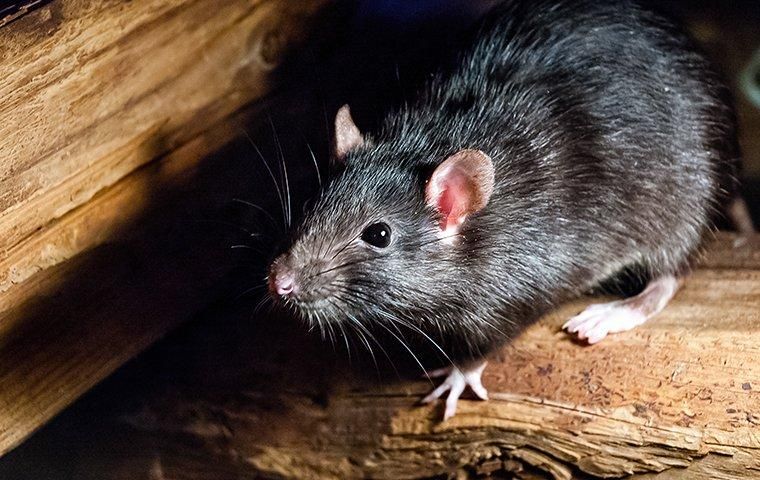
Rodents | Pest Control | PestMaster

Biology and Life Cycle (Mallis Insights): Rodents breed rapidly— a single pair of Norway rats can produce up to 2,000 descendants in a year under ideal conditions. Females gestate 21–23 days, litters average 6–12 pups, and they reach maturity in 2–3 months. In Houston’s mild winters, breeding continues year-round, unlike colder climates.

Health and Property Risks: Rodents transmit diseases like hantavirus (via deer mouse droppings, though rare in urban Houston), salmonellosis, leptospirosis, and rat-bite fever. They contaminate food with urine/feces, chew electrical wires (causing fires), and gnaw structures (costing billions nationally). TDA guidelines stress that unlicensed rodent control can worsen risks—always use licensed pros for safe baiting/exclusion.
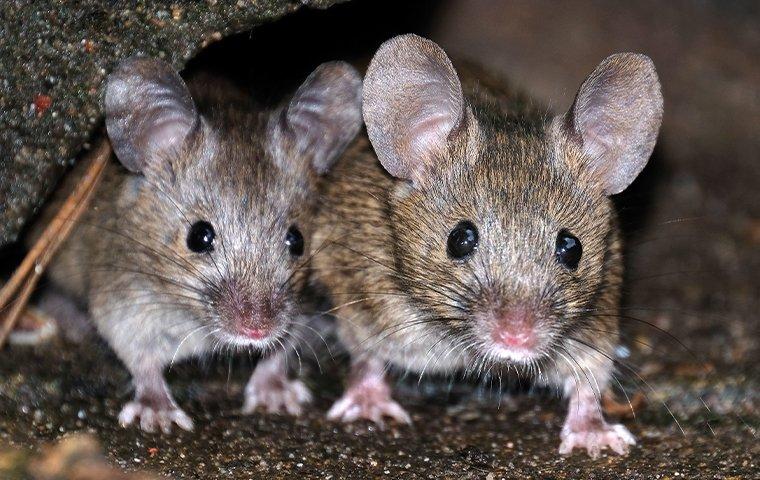

A Guide To Rodent Identification | Anderson Pest Control In Las Vegas


TDA/SPCS Guidelines for Texas: The Texas Department of Agriculture requires licensed Structural Pest Control Applicators for rodent work. IPM is emphasized: monitor, identify, exclude, then treat minimally. Avoid broad poisons without root-cause fixes.

Detailed Prevention and Control Tips for Houston Homeowners:

  • Inspection and Monitoring — Check for droppings (Norway: blunt ends; mice: pointed), gnaw marks, rub marks (greasy along walls), nests, and entry points. Use blacklight for urine trails.

  • Exclusion (Primary IPM Step) — Seal gaps with steel wool/caulk (mice through dime-sized; rats quarter-sized). Install door sweeps, screen vents, cap chimneys. Mallis recommends metal flashing for pipes/wires.

  • Sanitation — Store food in metal/glass containers, clean crumbs daily, fix leaks (rodents need ~1 oz water/day), secure trash with tight lids. Remove outdoor debris/wood piles.

  • Yard and Landscape Management — Trim vegetation 18+ inches from home, elevate firewood, avoid mulch against foundations. TDA notes conducive conditions like moisture attract rodents.

  • Trapping and Baiting — Snap traps for small issues; multi-catch for mice. For baiting, use tamper-resistant stations per TDA rules—never scatter poison openly.

  • Professional Intervention — DIY often fails long-term due to hidden populations. At APE, we use IPM: thorough inspection, exclusion, targeted treatments, and follow-ups. With my 12+ years and termite license, I focus on preventing re-entry.

Rodent issues escalate quickly—don’t wait. Contact Apex Pest Extermination for a free inspection and customized plan.

Schedule Rodent Inspection – Protect Your Houston Home Today

832-310-5187
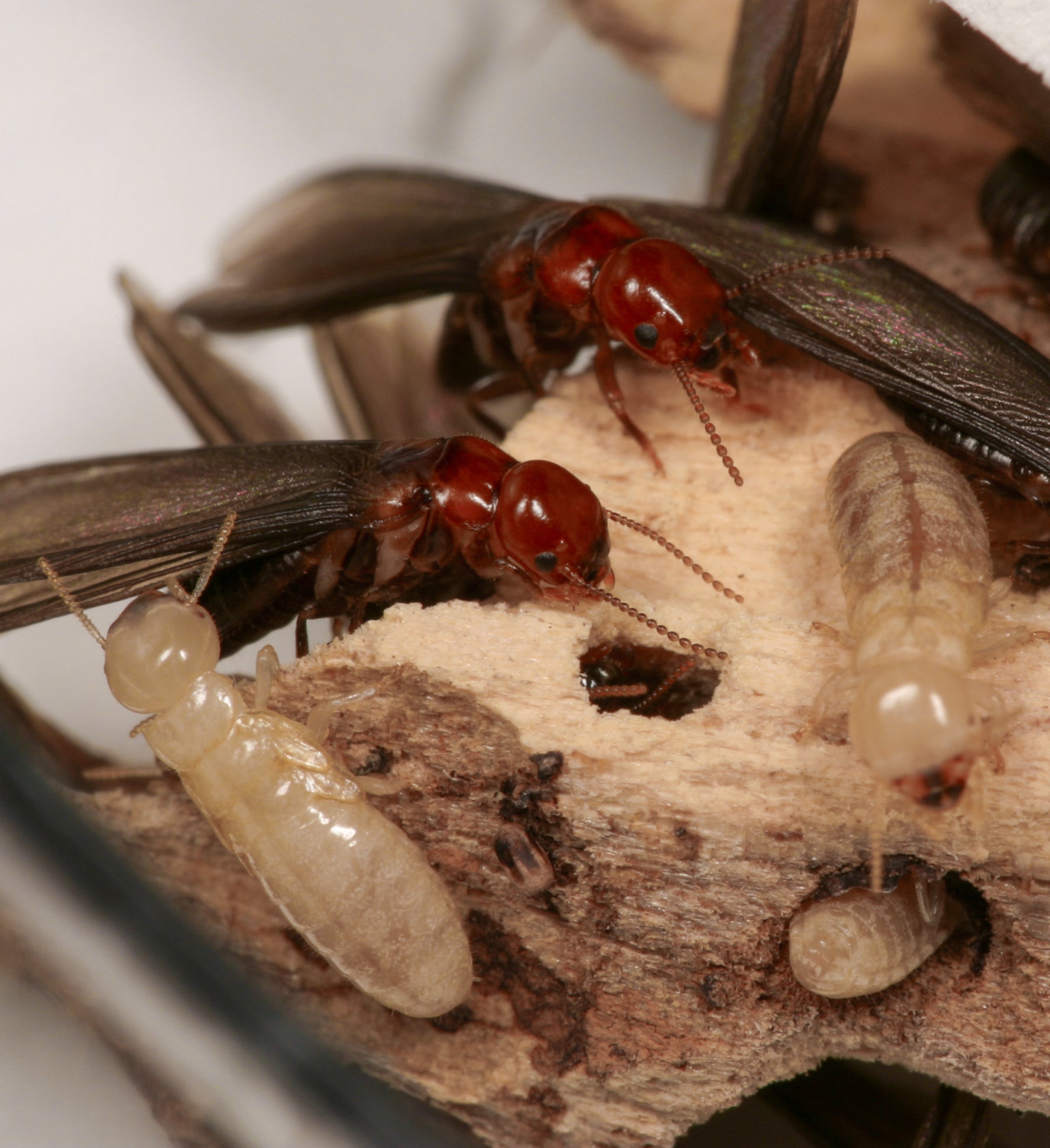

Why WDI Reports Are Essential for Houston Real Estate and How APE Helps

In Texas real estate, a Wood Destroying Insect (WDI) report (official Texas form) is often mandatory. Lenders (including VA, FHA, and conventional) require it for mortgages/refinancing to assess structural risks from termites, carpenter ants, or beetles. Commercial transactions demand them for due diligence, as unresolved issues can halt closings or devalue properties.


Termites: Types, Warning Signs, Health Risk and Treatment Options


Houston’s humidity accelerates termite activity—scientific studies show higher moisture levels boost foraging and feeding in subterranean species like Reticulitermes. Early detection via WDI prevents thousands in damage.


As a licensed termite inspector with 12+ years experience, I at APE perform thorough, unbiased WDI inspections: checking accessible areas for damage, active infestations, and conducive conditions (e.g., wood-soil contact, excess moisture). Reports are accurate and timely—often same-week turnaround.


If issues arise, we provide clear, ethical treatment options to resolve them efficiently. Value here means transparency: protecting your investment without unnecessary upsells.

Don’t risk your deal—schedule a WDI inspection with Apex Pest Extermination today. Serving Houston, Katy, Cypress, and beyond.

Schedule WDI Inspection Now!!!!

Call or Text 832-310-5187


Introducing Apex Pest Extermination: Your Trusted Pest Control Partner in Houston and the Greater Area

Houston’s subtropical climate—with its high humidity, warm temperatures, and abundant rainfall—creates a perfect storm for pests year-round. From subterranean termites thriving in moist soil to rodents seeking shelter in urban sprawl, these invaders can threaten your home’s structure, health, and comfort.


That’s why I founded Apex Pest Extermination (APE): to deliver honest, effective, and compassionate pest control tailored to the greater Houston area. I’m Rudy, the owner and lead certified technician, with over 12 years of dedicated experience in the field. My termite license (issued through rigorous Texas Department of Agriculture standards) allows me to specialize in wood-destroying insects, but my true drive comes from a deep passion for this work.


What sets APE apart isn’t just expertise—it’s how much I care. Every day, I see families stressed by hidden infestations or businesses facing costly damage. I built APE to prioritize real value: educating clients on prevention, using targeted, eco-conscious methods when possible, and standing behind every job with follow-ups and guarantees. No high-pressure sales; just transparent solutions that protect what matters most—your home, family, pets, and peace of mind.


Whether it’s a preventive inspection in Katy, a termite treatment in Sugar Land, or rodent control downtown, APE serves the entire greater Houston region with personalized plans. I’m committed to building long-term relationships based on trust and results.


Stay tuned for practical, science-backed tips on Houston’s top pests. Ready to safeguard your property? Contact Apex Pest Extermination today for a free, no-obligation consultation.

Call or text 832-310-5187 – “Get Your Free Quote Today


Comprehensive Pest Control in Greater Houston – Year-Round Strategies, Common Threats, and IPM Best Practices

Houston’s humidity (average 70–90%) and warmth fuel pests: ants (fire/carpenter), cockroaches (American/German), termites (subterranean top ...